FAMOUS MISSIONS
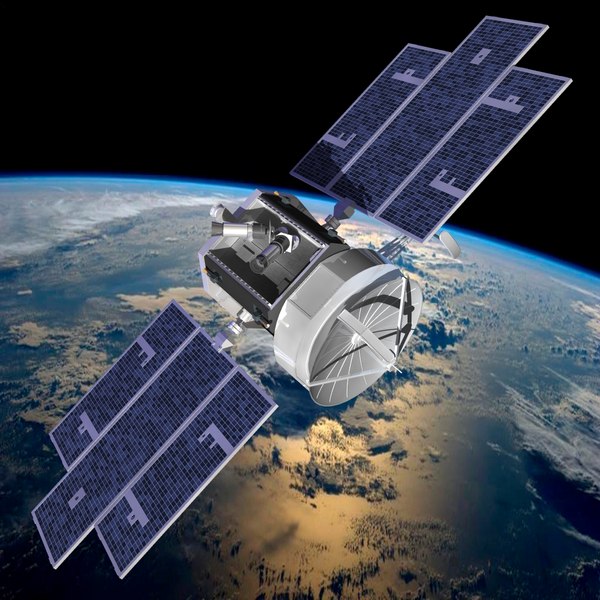
CloudSat has revealed how often the clouds above Earth rain and snow. This is information that we did not know before, principally because many regions on Earth are not instrumented on the ground to obtain this information, such as over the oceans and over sparsely-populated land areas such as the polar regions.
CloudSat has revealed how much ice and water are contained in clouds globally.
CloudSat has determined how clouds heat or cool the atmosphere.
CloudSat has allowed scientists to understand how often and how quickly rain develops in clouds.
CloudSat has provided the first quantitative estimate of global snowfall.
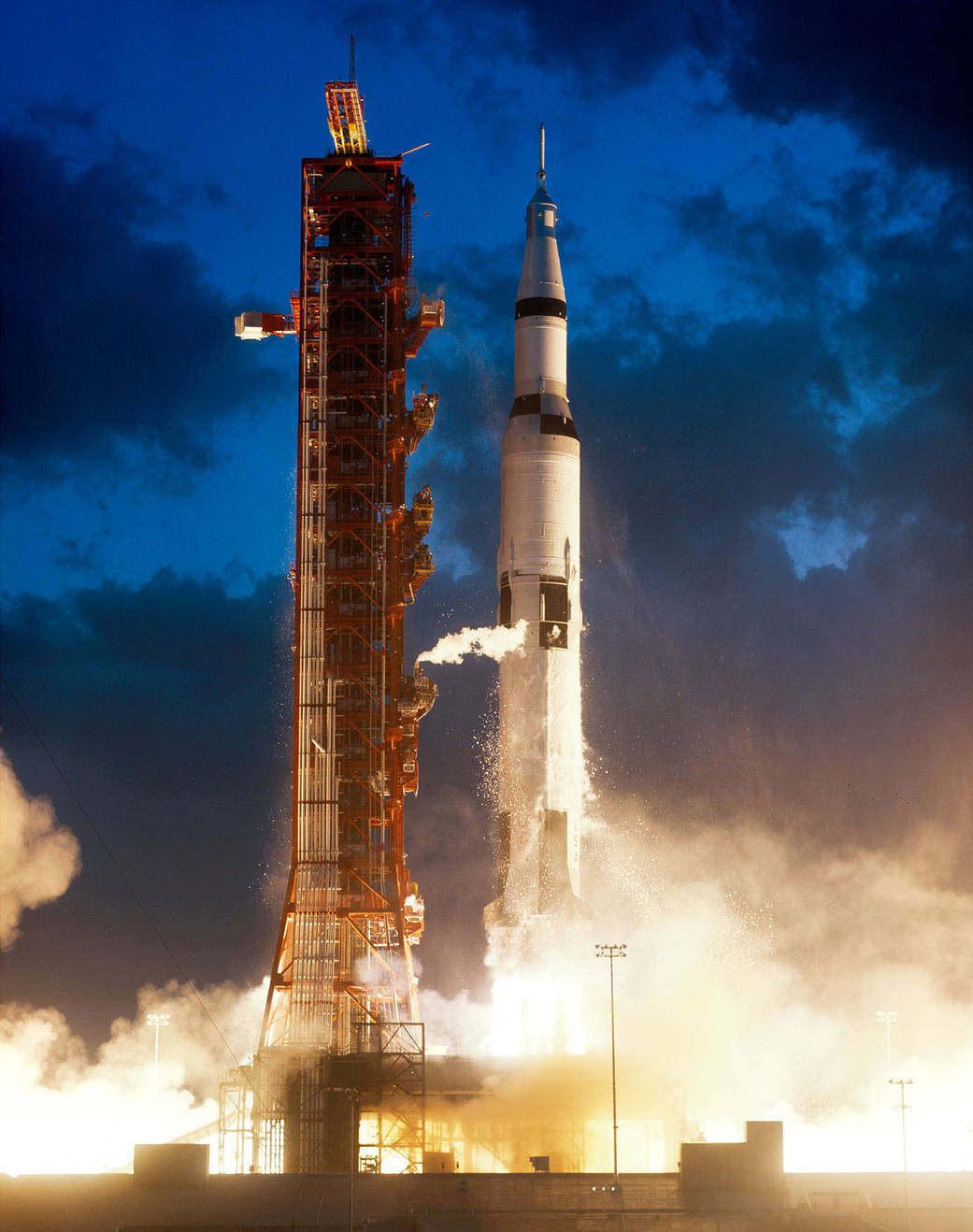
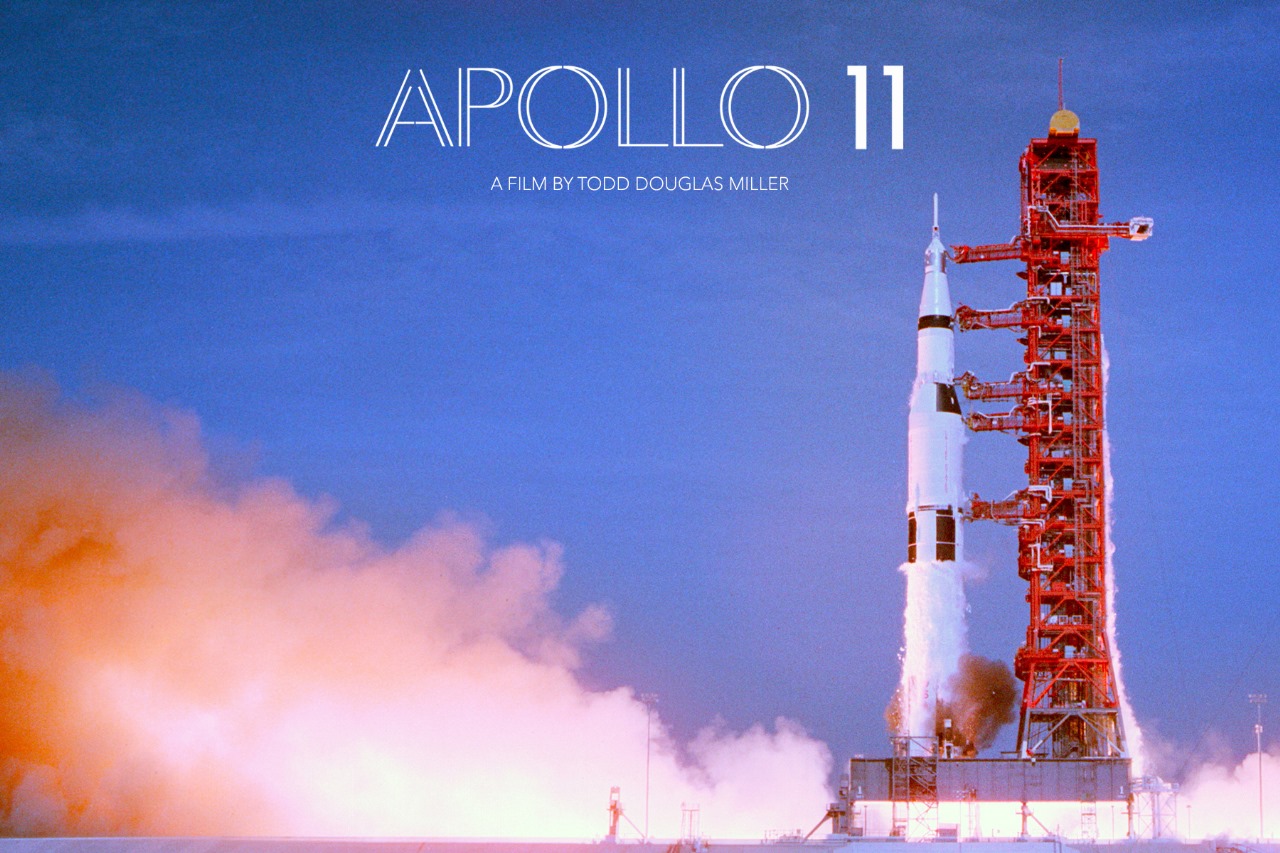
It was launched from Kennedy Space Center in Florida on July 16, 1969, atop a Saturn V rocket. The spacecraft traveled approximately 240,000 miles (386,000 kilometers) to reach the Moon.
Lunar Landing: On July 20, 1969, the Lunar Module named "Eagle," carrying Armstrong and Aldrin, separated from the Command Module and descended to the lunar surface. Armstrong piloted the Lunar Module to a safe landing in the Moon's Sea of Tranquility while Collins orbited above
NASA's Parker Solar Probe will revolutionize our understanding of the Sun. The spacecraft is gradually orbiting closer to the Sun’s surface than any before it – well within the orbit of Mercury. Flying into the outermost part of the Sun's atmosphere, the corona, for the first time, Parker Solar Probe is collecting measurements and images to expand our knowledge of the origin and evolution of solar wind. It also makes critical contributions to forecasting changes in the space environment that affect life and technology on Earth.
Parker will fly more than seven times closer to the Sun than any spacecraft.
Over seven years, the spacecraft will complete 24 orbits around the Sun.
At its closest approach, the spacecraft will come within about 3.9 million miles (6.2 million kilometers) of the Sun.
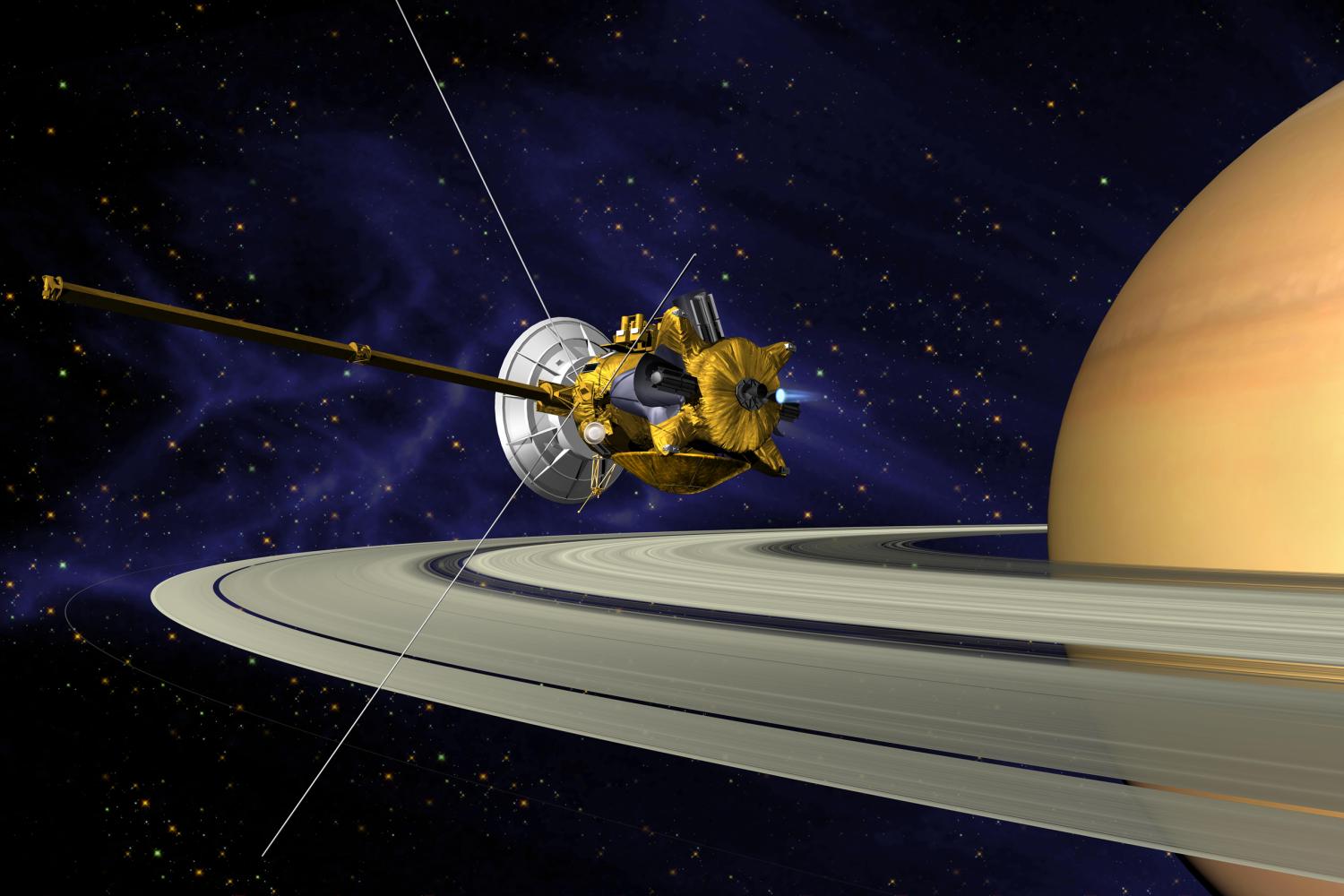
It was launched in 1997, Cassini-Huygens reached Saturn in 2004 and spent over 13 years studying the planet, its rings, and its moons. The Cassini orbiter provided detailed information about Saturn's atmosphere, magnetic field, and moons, while the Huygens probe descended to the surface of Titan, providing the first direct observations of the moon's surface and atmosphere.
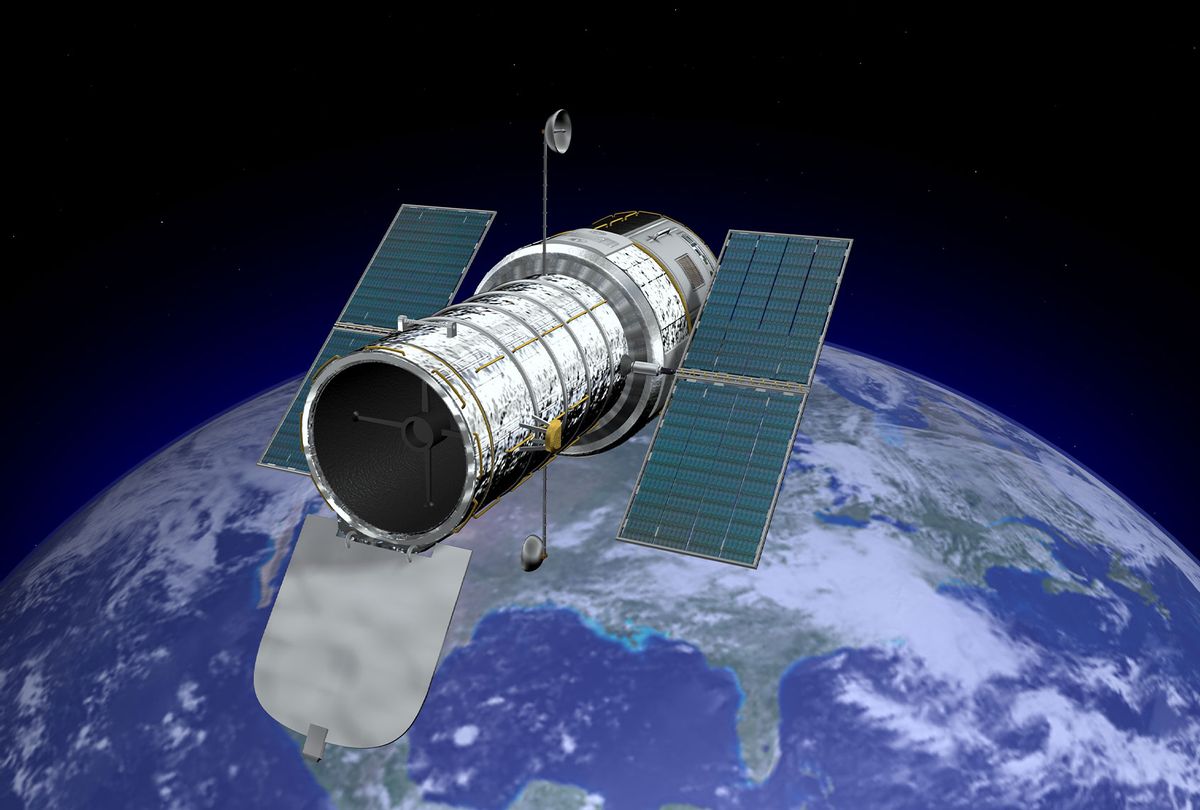
The Hubble Space Telescope (HST) is one of the most renowned and influential instruments in the field of astronomy.It was Launched aboard the Space Shuttle Discovery on April 24, 1990, the Hubble Space Telescope was deployed into low Earth orbit, approximately 547 kilometers (340 miles) above the Earth's surface.
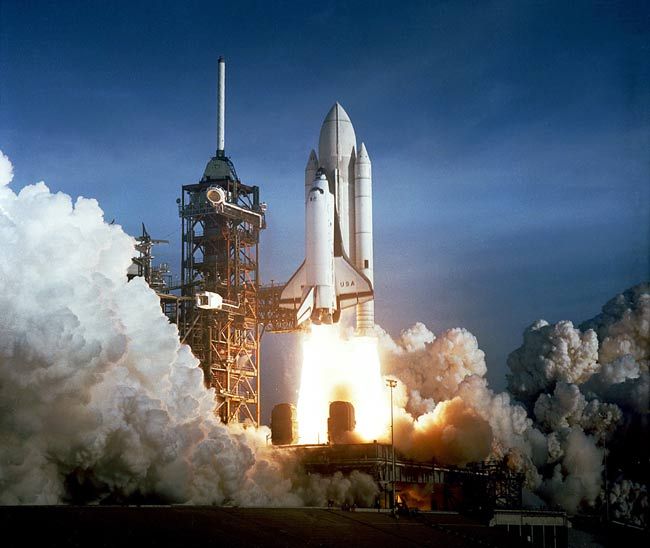
It was designed to transport astronauts and cargo to and from low Earth orbit (LEO), including missions to the International Space Station (ISS), satellite deployment, and scientific research in space.The Space Shuttle consisted of three main components:
1> orbiter
2>Solid Rocket Boosters
3>External Tank